Top 7 Mistakes Companies Make in Trade Show Booth Design
Trade shows offer businesses a powerful opportunity to showcase their brand, connect with potential clients, and generate high-quality leads. However, success at a trade show depends heavily on one critical factor: booth design.
Unfortunately, many companies unknowingly make design choices that reduce visibility, weaken engagement, and limit return on investment. Understanding the most common trade show booth design mistakes can help brands stand out in a crowded exhibition hall and create meaningful impressions.
In this article, we’ll explore the top 7 mistakes companies make in trade show booth design, why they matter, and how to avoid them to ensure your booth attracts, engages, and converts visitors effectively.
The Importance of Effective Trade Show Booth Design
Trade show booth design is more than just aesthetics—it’s about communication, functionality, and strategy. Your booth serves as a physical representation of your brand and often determines whether attendees stop or walk past.
A well-designed booth:
- Attracts attention from a distance
- Communicates your brand message instantly
- Encourages interaction and conversation
- Supports your sales and marketing goals
On the other hand, poor trade show booth design issues can create confusion, reduce foot traffic, and leave visitors with a negative impression. Avoiding common design errors is essential for maximizing trade show success.
Top Trade Show Booth Design Mistakes Companies Make
Below are the most common trade show booth design errors that prevent companies from achieving their objectives.
1. Overcrowded and Cluttered Booth Layouts
One of the common mistakes companies make in trade show booths is trying to include too much. Overloading a booth with furniture, displays, text, and products creates visual chaos.
Why it’s a problem:
- Visitors feel overwhelmed and avoid entering
- Key messages get lost
- Movement inside the booth becomes restricted
Solution:
Focus on simplicity. Use clean layouts, open space, and only essential elements. A minimalist design helps guide visitors naturally and highlights what truly matters.
2. Unclear or Weak Branding
A booth that doesn’t clearly communicate who you are is a missed opportunity. Many companies fail to showcase their logo, brand colors, or value proposition effectively.
Why it’s a problem:
- Attendees don’t recognize or remember your brand
- Your booth blends in with competitors
- Brand recall drops after the event
Solution:
Ensure your logo is visible from multiple angles and distances. Use consistent brand colors and a clear tagline that explains what you do within seconds.
3. Poor Lighting Choices
Lighting is often overlooked, yet it plays a major role in attracting attention. Dim, harsh, or uneven lighting is a common trade show booth design mistakes.
Why it’s a problem:
- Booth appears dull or uninviting
- Products and graphics aren’t highlighted
- Visitors subconsciously move toward brighter booths
Solution:
Use layered lighting, ambient, accent, and spotlighting, to create depth and focus. Good lighting instantly elevates booth’s appearance and draws people in.
4. Ignoring Visitor Flow and Accessibility
Many booths fail because they don’t consider how attendees move through the space. Blocked entrances, narrow pathways, and awkward layouts are frequent poor trade show booth design issues.
Why it’s a problem:
- Visitors hesitate to enter
- Crowding discourages engagement
- Staff struggle to interact comfortably
Solution:
Design open entry points and logical pathways. Allow enough space for conversations without disrupting traffic flow.
5. Too Much Text and Information Overload
Another major common trade show booth design mistake is using excessive text on walls, banners, and displays.
Why it’s a problem:
- Attendees don’t have time to read long content
- Important points are ignored
- Messaging becomes confusing
Solution:
Keep text short and impactful. Use headlines, bullet points, and visuals to communicate quickly. Save detailed information for brochures or digital follow-ups.
6. Lack of Interactive Elements
Static booths with no engagement features often fail to capture attention. Trade shows are experiential, yet many companies overlook interactivity.
Why it’s a problem:
- Booth feels boring or outdated
- Visitors don’t stay long
- Engagement and lead generation suffer
Solution:
Incorporate interactive screens, product demos, touch displays, or live presentations. Interaction increases dwell time and improves brand recall.
7. Untrained or Unapproachable Booth Staff
Even the best booth design can fail if staff members are disengaged or unprepared—one of the most overlooked trade show booth design errors.
Why it’s a problem:
- Visitors feel ignored or uncomfortable
- Leads are lost due to poor communication
- Brand reputation suffers
Solution:
Train staff to be welcoming, knowledgeable, and proactive. Their energy and approach should align with the booth’s design and brand message.
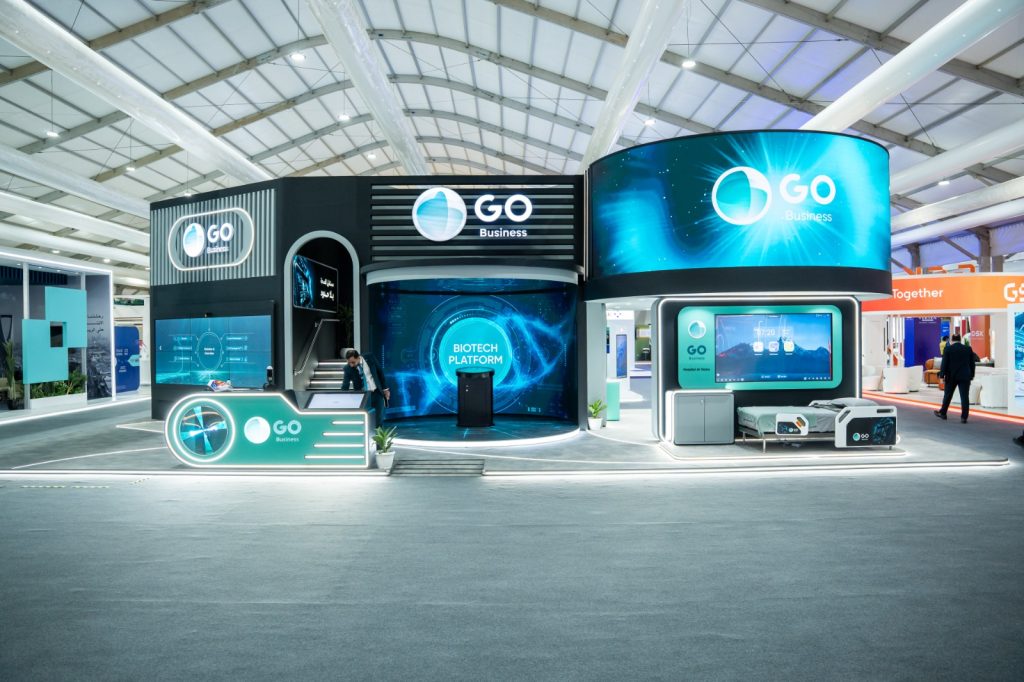
Build Global Trust and Visibility with a Powerful Booth Experience
For companies like Markable International, trade show booth design plays a vital role in building global brand recognition and trust. A thoughtfully designed booth helps position the brand as professional, innovative, and market-ready.
By avoiding trade show booth design mistakes, Markable International can:
- Create strong first impressions in international markets
- Communicate expertise clearly and confidently
- Engage diverse audiences effectively
- Generate high-quality leads and partnerships
Strategic booth design combined with consistent branding and interactive elements ensures that Markable International stands out in competitive global trade shows.
Frequently Asked Questions (FAQs)
The most common mistake is overcrowding the booth with too many elements, which overwhelms visitors and hides key messages.
Companies can improve by simplifying layouts, improving lighting, strengthening branding, and focusing on visitor flow and engagement.
Strong branding helps attendees instantly recognize your company, understand your offerings, and remember your business after the event.
Very little. Use short headlines and visuals. Attendees should understand your message within 3–5 seconds.
Yes. Interactive elements increase visitor engagement, dwell time, and lead quality, making booths more memorable and effective.

Markable brings brands’ visions to life through exceptional event experiences. From concept to full on ground execution, we deliver solutions that engage, impress, and leave a lasting impact.

© 2026 Markable International. All Rights Reserved.