Mistakes Companies Make in Corporate Events & How to Avoid Them: A Comprehensive Guide
Corporate events are a vital tool for business growth, serving as platforms for networking, brand building, internal morale, and lead generation. Whether it is a high-stakes product launch, a nationwide conference, or an intimate executive retreat, the success of these gatherings often dictates the trajectory of a company’s public perception. However, the line between a memorable success and a costly failure is thin.
Many organizations fall into recurring traps that drain budgets and dilute brand messaging. By understanding the common event planning mistakes companies make, leadership teams can pivot toward a more strategic, high-impact approach.
This blog explores the most critical mistakes companies make in corporate events and provides actionable corporate event problems and solutions to ensure your next gathering is flawless.
1. Lack of Defined Objectives and KPIs
One of the most frequent corporate event mistakes is starting the planning process without a clear understanding. Many companies host events simply because it’s that time of year or because a competitor did something similar.
The Mistake:
Planning logistics before defining the purpose. Without a goal, you cannot measure Return on Investment (ROI) or Return on Objective (ROO).
How to Avoid Corporate Event Planning Mistakes:
To avoid corporate event planning mistakes before booking a venue, define your primary objective.
- Is it to generate 50 new qualified leads?
- Is it to increase employee retention by 15%?
Set your goal and then establish key performance indicators (KPIs), such as attendee engagement scores, social media mentions, or post-event sales conversions.
2. Poor Budget Management and Hidden Costs
Budgeting is the backbone of event planning, yet it is where most corporate event problems and solutions discussions begin.
The Mistake:
Underestimating costs or failing to account for variable expenses like service charges, taxes, Wi-Fi fees, and last-minute shipping. Many companies also fail to set aside a contingency fund, leading to mid-event financial crises.
The Solution:
Create a granular budget spreadsheet that categorizes fixed costs (venue, speakers) and variable costs (catering per head). Always allocate a 10-15% “emergency buffer” for unforeseen requirements.
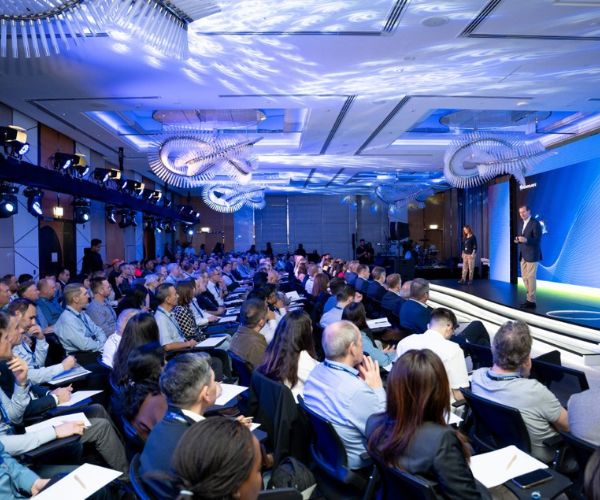
3. Choosing the Wrong Venue
The venue dictates the tone, accessibility, and technical feasibility of the entire event.
The Mistake:
Selecting a venue based solely on aesthetics or price without considering logistics. A beautiful remote resort might seem prestigious, but if it’s difficult for busy executives to reach, your attendance rates will suffer. Similarly, choosing a space that is too large can make a successful turnout look like a failure.
The Solution:
Conduct a thorough site inspection. Check for technical infrastructure (AV capabilities, power outlets), accessibility for those with disabilities, and proximity to transport hubs. Ensure the vibe of the venue aligns with your brand identity.
4. Ineffective Audience Targeting and Marketing
Even the best-planned event is a failure if the right people aren’t in the room.
The Mistake:
Using a one-size-fits-all marketing approach. Companies often blast their entire email list instead of segmenting the audience. Furthermore, starting the promotion too late results in low registration numbers.
The Solution:
Develop a multi-channel marketing strategy at least 4-6 months in advance. Use personalized email campaigns, LinkedIn targeting, and early-bird incentives. Ensure your messaging clearly communicates what’s in it for me. factor for the attendee.
5. Ignoring Technical Requirements and Rehearsals
In the digital age, a technical glitch can derail a multi-million dollar event in seconds.
The Mistake:
Assuming the equipment will work or that the speakers are tech-savvy. Many event planning mistakes companies make involve failing to test microphones, slide clickers, or live-stream connections in the actual event space.
The Solution:
Schedule a full tech run-through 24 hours before the doors open. Hire professional AV technicians rather than relying on the venue’s basic in-house staff. Have backups for everything, spare laptops, extra batteries, and offline versions of presentations.
6. Neglecting Post-Event Follow-Up
Once the event is over, one must follow-up with the invited guests.
The Mistake:
Treating the event as a standalone moment. Many companies fail to follow up with leads, thank their speakers, or analyze the data they collected, resulting in a total loss of momentum.
The Solution:
Have a post-event strategy ready before the event starts. Send thank you emails within 24 hours. Distribute a feedback survey while the experience is fresh. Most importantly, pass lead data to the sales team immediately to capitalize on the engagement generated.
7. Failure to Incorporate Brand Identity
A corporate event should be an extension of your brand’s personality.
The Mistake:
Generic decor and messaging. If an attendee can walk into your event and not know which company is hosting it within five seconds, you have failed in your branding.
The Solution:
Consistent branding across all touchpoints, from the registration website and digital signage to the physical swag and stage design. Use your corporate colors, values, and voice to create a cohesive brand story throughout the day.
Elevate Your Corporate Event Strategy with Markable International
Navigating the complexities of international business and high-level corporate execution requires a partner who understands the global landscape. Mistakes companies make in corporate events often happen due to the lack of specialized local knowledge or strategic oversight.
At Markable International, we bridge the gap between vision and execution. We specialize in helping businesses expand their reach and solidify their market presence through expert strategic marketing and international business solutions.
Don’t let your brand’s potential be limited by planning oversights. Ensure your company makes a mark on the world stage.
Frequently Asked Questions (FAQs)
The most common mistake is failing to define clear, measurable objectives. Without a specific goal, it’s impossible to design the event effectively or measure its success afterward.
For large-scale conferences, planning should begin 9 to 12 months in advance. For smaller seminars or internal retreats, 3 to 6 months is usually sufficient to secure the best venues and speakers.
Break up long presentations with 15-minute networking intervals, live polls, and interactive panel discussions. Keep individual speaker slots to 20–30 minutes to maintain audience attention.
Photos can be misleading regarding scale, lighting, and wear-and-tear. A physical site visit allows you to check cell signal, Wi-Fi strength, restroom cleanliness, and the actual flow of traffic between rooms.
ROI can be measured by tracking new leads generated, the total value of contracts signed post-event, or through Return on Objective (ROO) metrics like brand sentiment shifts and employee engagement scores.

Markable brings brands’ visions to life through exceptional event experiences. From concept to full on ground execution, we deliver solutions that engage, impress, and leave a lasting impact.

© 2026 Markable International. All Rights Reserved.